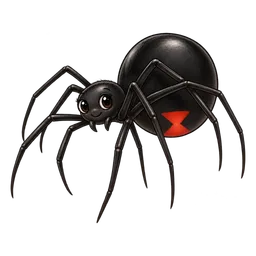
Black Widow Spiders
Latrodectus spp. (L. mactans, L. variolus, L. hesperus) · Spiders & Centipedes
Black widows are shy, web-building spiders that hide in dark, undisturbed places such as woodpiles, garages, crawlspaces, sheds and outdoor utility boxes. Only adult females can bite through human skin, usually when someone reaches into their hiding spot without looking. The venom acts on the nerves and can cause pain and cramping that spreads through the body. Deaths are extremely rare.
Look for: Adult female: a shiny jet-black spider with a large, round abdomen and a red-to-orange hourglass mark on the underside. Young spiders and males are smaller and tan or gray with light stripes.
Quick facts
| Size | 8-13 mm |
|---|---|
| Legs | 8 |
| Usual colors | black |
| Where in the home | Garden |
| Active | All year |
| Peak | Jun, Jul, Aug |
| U.S. range | Found throughout North America, but most common in the southern and western U.S. (CDC NIOSH). The southern (L. mactans), northern (L. variolus) and western (L. hesperus) black widows are the main U.S. species. |
| Bites or stings people | Rarely |
Seasons are typical across much of the U.S. and vary by region.
Peak season Active Typical across much of the U.S.; varies by region.
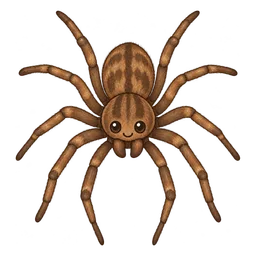
Often confused with
Sources
Not sure this is your bug? Try the Bug Identifier or ask your local Cooperative Extension office.