Bugs A to Z: Household Pests and Other Common Bugs
Start with the group that looks like your bug. Each card shows one feature you can check with your own eyes, and links to our full guide. Not sure where to start? Try the Bug Identifier.
Flies & Gnats
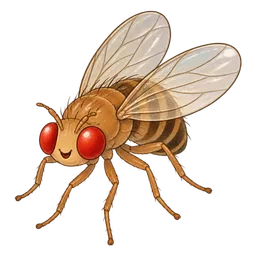 Fruit FliesDrosophila spp. (mainly D. melanogaster)A tiny fly with a tan front half, a darker rear and bright red eyes that hovers around ripe fruit, wine or the trash can.
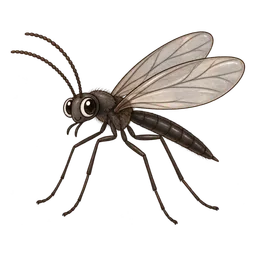 Fungus GnatsSciaridae (dark-winged fungus gnats)A slender black fly with long legs and antennae that flutters weakly around the soil surface of houseplants.
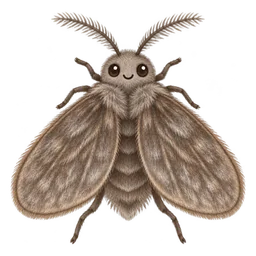 Drain FliesPsychodidae (moth flies; e.g. Psychoda spp., Clogmia albipunctata)A tiny gray, hairy fly with wide moth-like wings folded roof-style over its body, usually resting on bathroom walls near a drain.
Ants
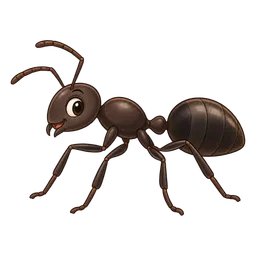
Cockroaches
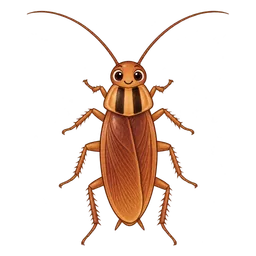
Bed Bugs, Fleas & Lookalikes
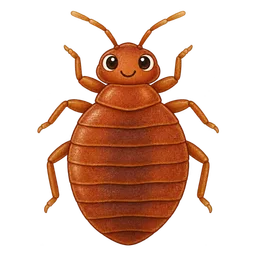 Bed BugsCimex lectulariusAn apple-seed-sized, flat, oval reddish-brown bug with no wings, usually found along mattress seams together with tiny dark fecal spots and pale shed skins.
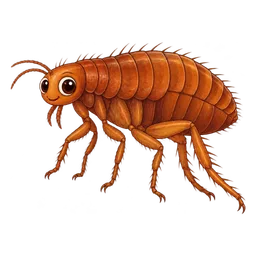 FleasCtenocephalides felis (cat flea), the main flea on U.S. cats and dogsA pinhead-sized, reddish-brown insect flattened side to side that jumps instead of flying, often spotted on pets or on white socks around the ankles.
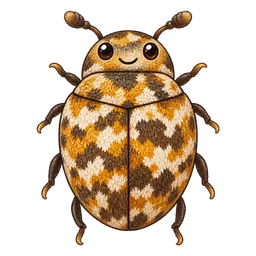 Carpet BeetlesDermestidae (mainly Anthrenus verbasci, Anthrenus flavipes, Attagenus unicolor)Adults are rounded, ladybug-shaped beetles smaller than a grain of rice, often mottled white, brown and yellow, usually found on windowsills; larvae are small, hairy, striped 'fuzzy worms'.
Spiders & Centipedes
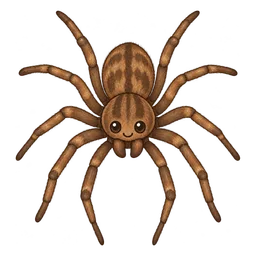 SpidersAraneae (common U.S. household spiders)Eight legs, two body sections (a front part bearing the legs and a rounded abdomen), and no wings or antennae. Insects have six legs and three body sections.
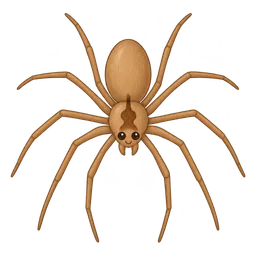 Brown RecluseLoxosceles reclusaUniformly tan to brown legs and abdomen with no stripes, bands or spines. A dark violin-shaped mark on the front body section, with the violin's neck pointing back. Six eyes in three pairs, which you need a hand lens to see.
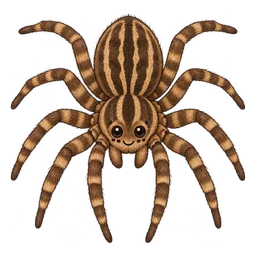 Wolf SpidersLycosidae (e.g. Hogna carolinensis, Tigrosa aspersa)A large, hairy brown-to-gray spider that runs along floors. Its legs often have lighter bands, and its eyes shine green in a flashlight beam at night. Females may carry spiderlings on their backs.
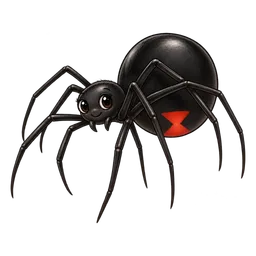 Black Widow SpidersLatrodectus spp. (L. mactans, L. variolus, L. hesperus)Adult female: a shiny jet-black spider with a large, round abdomen and a red-to-orange hourglass mark on the underside. Young spiders and males are smaller and tan or gray with light stripes.
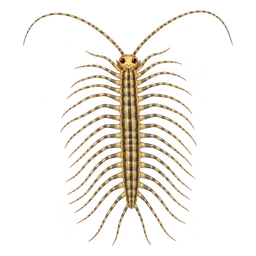 House CentipedeScutigera coleoptrataA flattened yellowish-gray body about an inch long with three dark stripes and 15 pairs of very long, banded legs that make it look 3-4 inches across.
Bees & Stinging Insects
Termites & Wood/Paper Pests
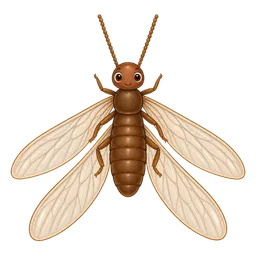 Subterranean TermitesReticulitermes flavipes (eastern subterranean termite); also Coptotermes formosanus (Formosan subterranean termite)Swarmers are small dark-brown to black insects with straight beaded antennae, a thick waist and four equal-length wings that break off easily; workers are soft and creamy white.
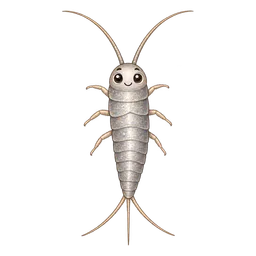 SilverfishLepisma saccharinum (often written L. saccharina)A shiny silver-gray, wingless insect shaped like a teardrop, with long antennae and three thin tail bristles, that darts away quickly when uncovered.
Mice & Rodents
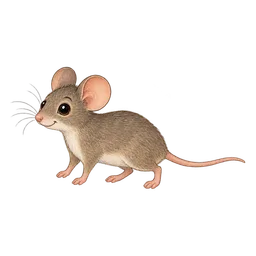
Garden & Overwintering Pests
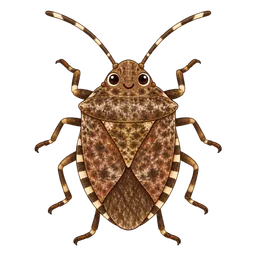 Brown Marmorated Stink BugHalyomorpha halysA shield-shaped, mottled brown bug about 5/8 inch long with white bands on its antennae and alternating light and dark bands along the edge of the abdomen.
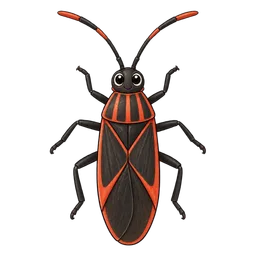 Boxelder BugBoisea trivittataA flat black bug about 1/2 inch long with three red-orange stripes behind the head and red-orange edges on its wings.
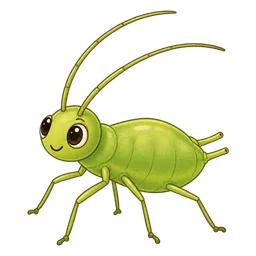 AphidsAphidoidea (many species)Pear-shaped, usually green, with two tiny tubes sticking out the back end, often packed together on the newest growth.
Mosquitoes, Ticks & Chiggers
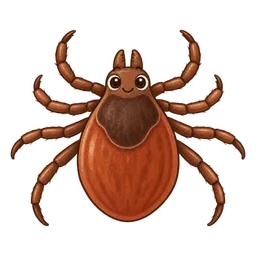 TicksIxodidae (hard ticks): blacklegged/deer tick Ixodes scapularis, lone star tick Amblyomma americanum, American dog tick Dermacentor variabilisA flat, teardrop-shaped body with eight legs and no visible separate head. Lone star females have a single white dot on the back, dog ticks have whitish patterning, and blacklegged females are reddish-orange with black legs.
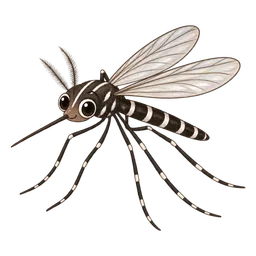 MosquitoesCulicidae (mainly Culex, Aedes, Anopheles spp. in the U.S.)A slender fly with long, thin legs and a long, needle-like beak that lands on skin to feed. The wings are covered in tiny scales.
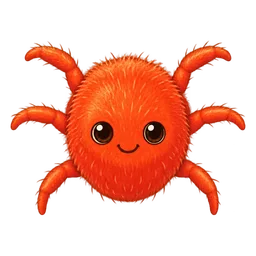 ChiggersTrombiculidae (larval mites; e.g. Eutrombicula alfreddugesi)Usually seen only as clusters of very itchy red bumps around the ankles, waistband or other tight-clothing spots that appear a few hours after being outdoors. The mite itself is a reddish-orange speck barely visible to the eye.
Seasonal Pest Calendar
Peak season Active Typical across much of the U.S.; varies by region.
Pests that stay active indoors all year without a clear peak (such as German cockroaches and silverfish) are left off the calendar.